Pre-Ride Mobility Routine
A brief five-minute sequence beside your bicycle at the meeting point, covering basic joint movement before group departure.
Educational workshops and informational resources about cycling movement, pacing awareness, and group coordination. All content is general in nature and does not constitute professional coaching or health-related guidance.
Page reviewed:Efficient cycling movement involves coordinated interaction between body position, pedal stroke rhythm, and handlebar control. Our workshops introduce these concepts through demonstration and guided practice in a controlled environment at our Bridge Road hub.
Understanding how weight distribution affects cornering, braking, and climbing can help riders feel more comfortable in group settings. These sessions are informational and experiential — individual outcomes depend on practice frequency and personal aptitude.
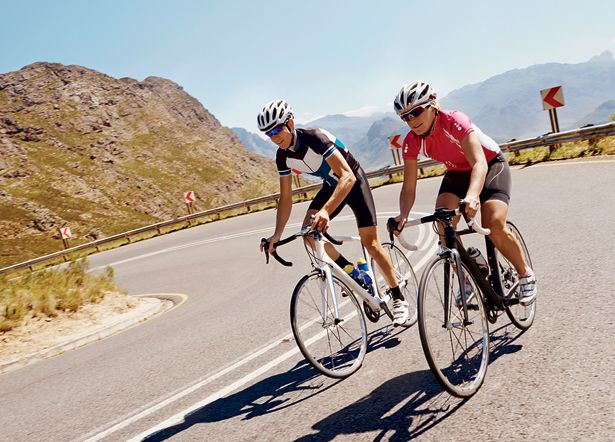
A structured warm-up routine prepares muscles and joints for sustained pedalling. The frameworks below are general suggestions, not prescriptive exercise programs.
A brief five-minute sequence beside your bicycle at the meeting point, covering basic joint movement before group departure.
First two kilometres at reduced intensity, gradually increasing cadence. Gives riders time to settle into a comfortable rhythm before the main segment.
Brief review of route notes, hand signals, and group formation rules. Reduces uncertainty and supports focused riding from the start.
Arrive ten minutes before departure to complete warm-up without rushing. Late arrivals may miss the pre-ride briefing entirely.
After a group ride, many recreational cyclists follow a simple cool-down routine involving gradual pedalling, hydration, and basic stretching. Our guides describe these common community practices for informational purposes.
This content covers general riding habits such as scheduling rest between sessions. It is educational material only and is not a substitute for advice from qualified health or sports practitioners.
Consistent pacing keeps groups together and reduces sudden intensity spikes. These methods are taught during tempo ride orientations.
Maintaining a steady pedal cadence between 75 and 90 revolutions per minute on flat terrain helps sustain effort without early fatigue. Workshop participants practise cadence monitoring using basic counting techniques.
On varied terrain, distributing effort across the full ride duration prevents burnout on climbs. Riders learn to moderate intensity on ascents and use descents for controlled recovery while maintaining group proximity.
Verbal and visual cues signal pace changes to following riders. Standard phrases and hand gestures are practised during Tuesday workshops.
Informational overview of safe following distances and overlap risks in group formations. Drafting is optional and only practised in controlled segments.
Default formation on narrow paths. Maintain consistent gap and avoid overlapping wheels.
Used on wider paths. Offset positioning improves visibility and reaction time for all riders.
Lead rider signals stops. Group consolidates before proceeding through intersections together.
Riders point to potholes, debris, or pedestrians. Calls propagate from front to rear of the group.
Weekly workshops at our Richmond hub cover rotating topics. Each session lasts approximately 60 minutes and combines demonstration with participant practice on stationary setups and short outdoor segments.
| Week | Topic | Focus Area |
|---|---|---|
| Week 1 | Braking and Balance | Controlled stops, weight shift |
| Week 2 | Gear Selection | Cadence matching, hill approach |
| Week 3 | Cornering Lines | Entry, apex, exit positioning |
| Week 4 | Group Communication | Signals, calls, formation changes |
Any registered community member. New riders are especially encouraged to attend Weeks 1 and 4 before joining tempo or trail meetups.
Your bicycle, helmet, and comfortable clothing. Indoor portions require flat-soled shoes for stability during demonstration.
Proper bicycle fit supports comfortable movement and efficient pedalling. Our informational guides cover saddle height, reach adjustment, and handlebar positioning at a general educational level.
A starting reference involves a slight knee bend at the bottom of the pedal stroke. Fine-tuning depends on riding style and personal preference.
Handlebar distance should allow relaxed shoulder position without overextension. Workshop leaders demonstrate basic assessment techniques.
Flat pedals suit most meetup formats. Clipless systems are personal choices — informational sessions cover both options without recommendation.
Participants in seasonal challenges log distance and attendance voluntarily. No rankings or comparisons between riders are published. The purpose is community engagement and personal record-keeping.
Maintaining a simple ride log — whether digital or paper — can help you note frequency, preferred routes, and pacing preferences. Our informational templates are available through the contact page upon request.
Ride logging is a voluntary personal activity. We do not collect or store individual riding data unless explicitly submitted through our contact form for program feedback purposes.
Tuesday sessions typically begin at 6:00 PM at our Bridge Road hub. Submit an enquiry through the contact form to confirm availability, session fees, and the topic you wish to attend. Registration is voluntary.
Register Interest